Showing posts with label wildflowers. Show all posts

Monday, March 08, 2021

Gleaning Facebook: Wildflower Guide

 Our friends Richard and Teresa Ware have made our lives richer through their photography and their dedication to botany in our area. I'm not sure Richard will ever "finish" this project but it has arrived at a very fine stage. If you like to hike and look at wildflowers in Georgia and environs you will want to bookmark this guide. Click on the Pink Lady's Slipper to visit the website.

Guide to the Wildflowers, Ferns, Trees, Shrubs & Woody Vines of Georgia and Adjacent States


Saturday, March 06, 2021

Gleaning Facebook: First AES Nature Walk of 2021

 Yesterday I took my first walk of 2021 on the Armuchee Elementary School nature trail -- you might call it my home trail. I love that trail and I love the spring ephemerals. I am hopeful that, having had my vaccine shots and with the contagion easing a little, I'll be able to mask up and lead some kids in person through that trail soon.

Hepatica americana
Round-lobed Hepatica


Hepatica americana
Round-lobed Hepatica

Tipularia discolor
Crane-fly Orchid

Tipularia discolor
Crane-fly Orchid


Dentaria heterophylla
Slender Toothwort


Saturday, May 14, 2016

Gleaning Facebook: Wildflowers of Georgia

 Couldn't believe my eyes when my copy of Linda Chafin's new book landed on the front porch this morning. I ordered it shortly after discovering it existed a few minutes before midnight last Tuesday. It is a gorgeous book.

First it is adorned with one of my favorites, Catesby's Trillium which you can find along our Armuchee Elementary School Nature Trail as well as at Arrowhead Environmental Education Center. The book is written in an informal style comfortable to a rank amateur wildflower enthusiast like myself. The pictures are gorgeous, as you would expect since most of them were taken by Hugh and Carol Nourse. Right there on the first page is a thank you to our close friends Richard T. Ware and Teresa A Ware. A quick look at the credits finds the names of several of my "Facebook friends" or Ga. Botanical acquaintances.
I already own Linda's Field Guide to the Rare Plants of Georgia, and several books that use the Nourses' wonderful photographs including the huge Guide to the Natural Environments of Georgia.
I highly recommend Linda Chafin's new book to any one in Georgia or surrounding states who enjoys walking in the woods and who wants to greet their wildflower friends by name.

Comments


Debbie Waddell Congratulations!

Alice Hooker cool my cousin Teresa and her husband are famous

Terrell Shaw Richard & Teresa are extremely knowledgeable about botany and are wonderful wildflower photographers. They are very highly respected in botanical circles in the Southeast. I wish I had a quarter of their knowledge about plants.

Teresa A Ware Thanks Terrell, we also have some photo's in the book. lol

Terrell Shaw Yes, I saw the credits for a whole bunch of your pics!

Alice Hooker Me too my kids tell me i would kill silk flowers

Wednesday, April 20, 2016

Gleaning Facebook: Springtime at Arrowhead

Thistle

 
Quaker Ladies (Houstonia caerulea)


I think this is Catesby Trillium (Trillium catesbaei)


Red Clover

Crossvine (Bignonia capreolata )


Thistle

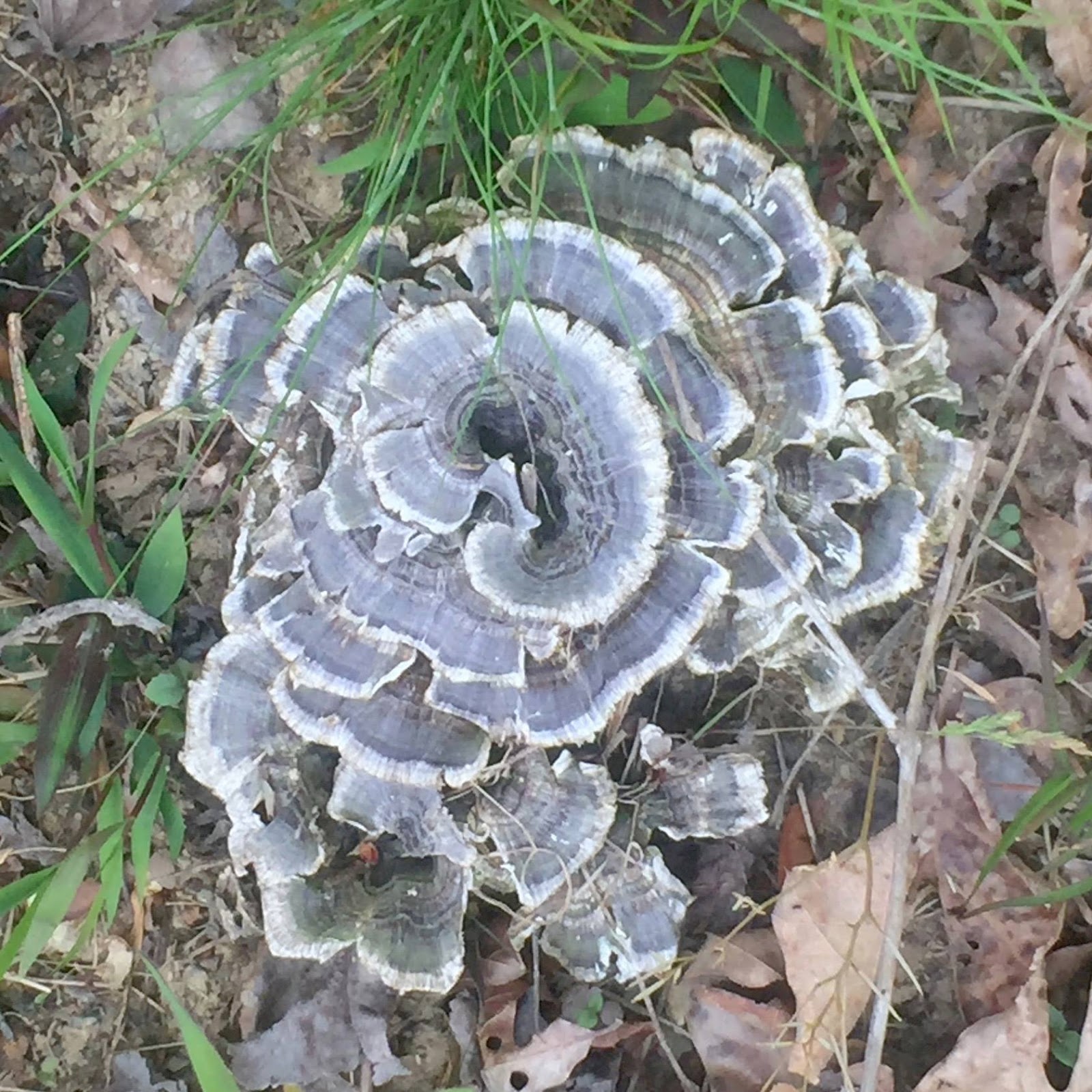
There's a fungus among us!

Rabbit Tobacco (Pseudognaphalium obtusifolium) ?

Crossvine (Bignonia capreolata )


Sunday, May 17, 2015

Gleaning Facebook: Weedy Wildflowers

These iPhone pics from our walk along the riverwalk this morning cannot compete with Richard and Teresa Ware’s or George Barton’s beautiful wildflower shots, but they do illustrate the plethora of foreign species that populate North America. Can you separate the native species from the immigrant ones? (I know several of them but not all.)

Richard Ware: Vicia villosa ssp. varia (Winter Vetch). Disturbed areas; native of Europe.

Richard Ware: Cirsium vulgare (Bull Thistle) Meadows, pastures, and disturbed areas; native of Europe.

Richard Ware: This is a native sedge, either Carex garyi or Carex intumescens.

Richard Ware: Trifolium pratense (Purple Clover) Fields, roadsides, disturbed areas; native of Europe.

Richard Ware: Ruellia strepens (Limestone Wild-petunia), native plant.


Richard Ware: Daucus carota (Queen-Anne's-Lace).. Pastures, fields, roadsides, waste places; native of Europe.
Christie Hufstedler Boyd

They have cultivars of Queen Anne's Lace in Europe. I've seen it more than once in flower shops in the Spring paired with pink roses. The tame ones there last much longer than the wild ones here.

Laurie Craw
I have tried twice to get a stand of Queen Anne in my backyard meadow by seeds and by transplant. Finally got a couple of stalks, now blooming. Native or not, I want some in my yard!


Richard Ware: Melilotus albus (White Sweetclover). Fields, roadsides, disturbed areas; native of Eurasia.


Richard Ware: Flowers and compound leaves are Sambucus canadensis (Common Elderberry). Large heart-shaped leaves are Ampelopsis cordata Michaux, Raccoon-grape, both natives.

Fruit of native tree Liquidambar styraciflua (Sweetgum).

Fruit of Toxicodendron radicans (Poison Ivy), a native plant.

Packera glabella (Butterweed), formerly Senecio glabellus, a native.


Plantago lanceolata (English Plantain). Lawns, roadsides, disturbed areas; native of Europe.


Galium sherardia (Field-madder. Lawns, disturbed areas, native of Europe.


Blackberry (Rubus sp.) native.

Veronica persica (Bird's-eye Speedwell). Lawns, fields, roadsides, disturbed areas; native of Eurasia. Most leaves in the photo belong to Glechoma hederacea (Gill-over-the-ground, Ground-ivy. Lawns, gardens, disturbed areas, native of Eurasia.

Plantago lanceolata (English Plantain), native of Europe.


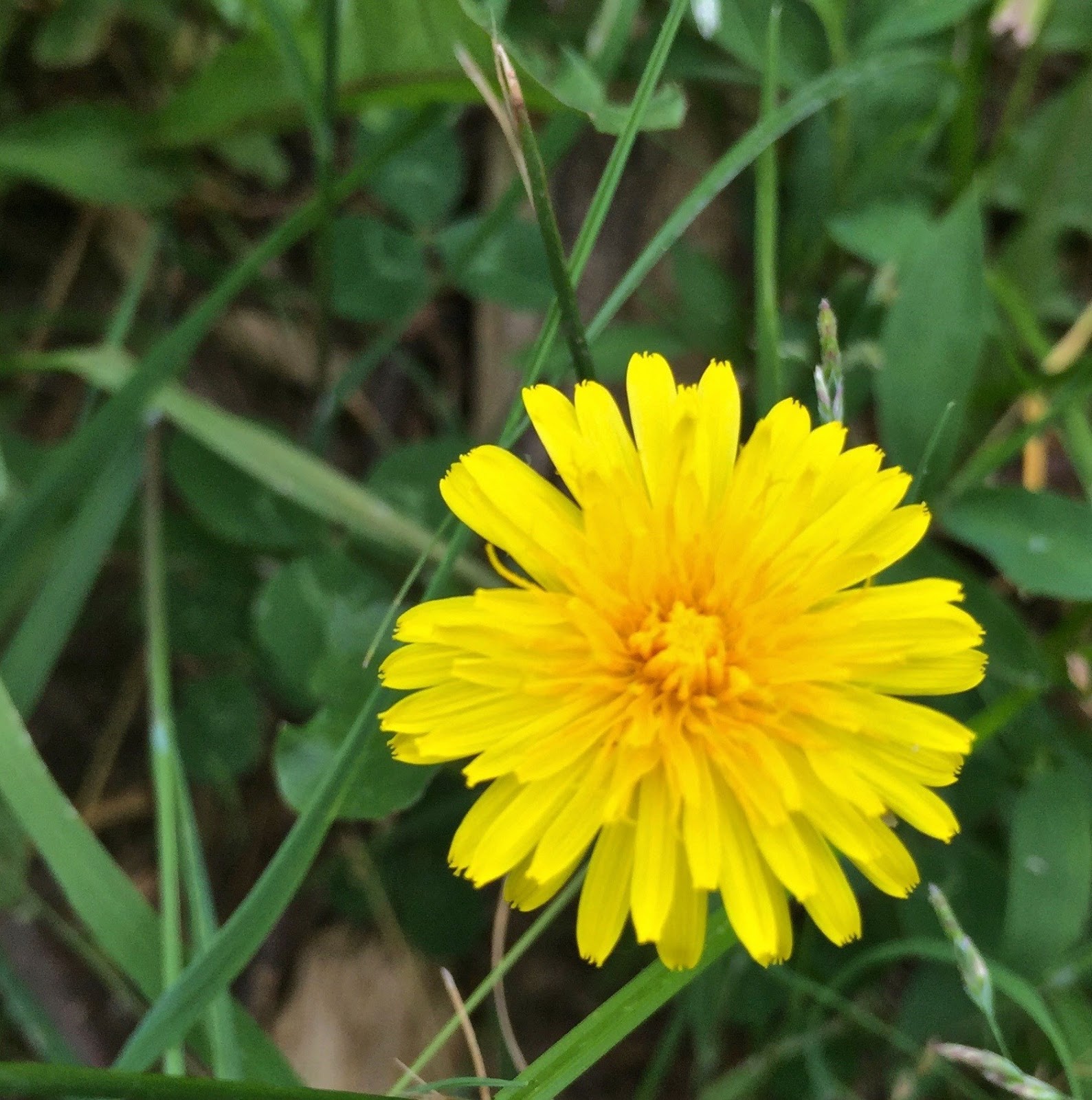
Yellow flower, a guess Hypochaeris radicata (Spotted Cat's-ear). Roadsides, fields, disturbed areas; native of Eurasia. and in the background Trifolium repens (White Clover) native of Eurasia


Erigeron philadelphicus (Daisy Fleabane), native plant.


.

Hypochaeris radiata (Cat's Ear), native of Eurasia.


Taraxacum officinale (Common Dandelion). Lawns, roadsides, urban areas, pastures, disturbed
areas, native of Eurasia.

Oxalis stricta (Common Yellow Wood-sorrel), native plant.

Top: Ligustrum sinense (Chinese Privet). Moist forests, especially alluvial bottomlands; native of China. Bottom: Lonicera japonica Thunberg, Japanese Honeysuckle. Nearly ubiquitous; native of e. Asia.

Trifolium repens (White Clover), native of Eurasia.

Packera sp. [Senecio] (Ragwort)